
Coorg cuisine doesn’t announce itself with one loud note. It builds flavor the way Kodava cooks build a meal: steadily, with purpose, and with ingredients that seem to belong to the land as much as the plate. Pork gets a tangy edge from kachampuli. Rice shows up as kadambuttu, akki roti, and akki otti rather than only as a side. Pepper, cumin, mustard, fenugreek, ginger, cardamom, and cloves appear in combinations that feel deliberate rather than heavy-handed.
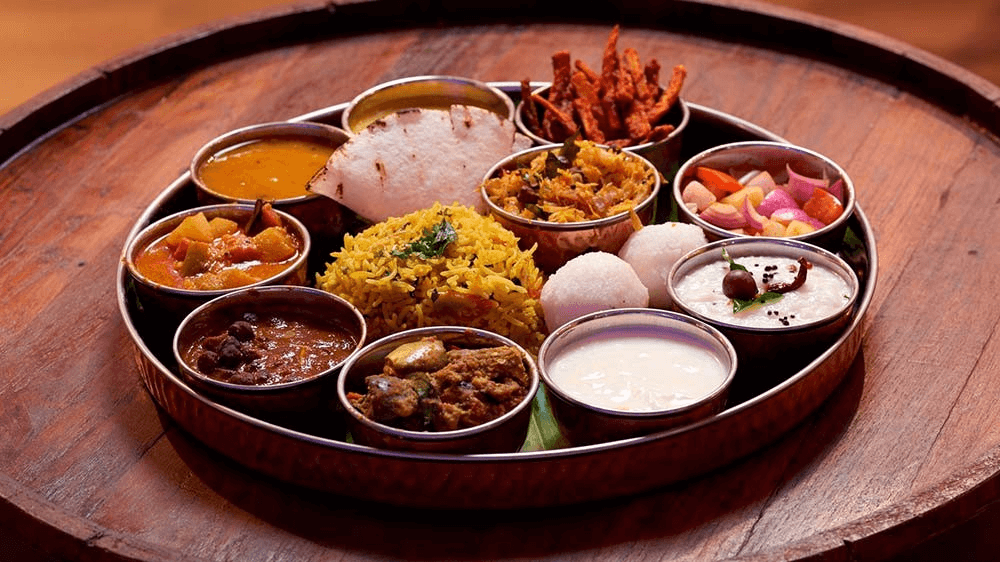
If you’re visiting Coorg for the food, the mistake is to treat it like just another “spicy South Indian” stop. Coorg’s food is more specific than that. It is a cuisine shaped by the Kodava community, the Western Ghats, seasonal produce, plantation crops, household cooking, and a set of dishes that have stayed stubbornly local even as the region became more visible to travelers.
What makes a dish feel ‘Kodava’
At its core, Coorg cuisine has a clear flavor logic:
- Rice is the backbone. You’ll see it as kadambuttu, akki roti, akki otti, and other forms that carry curry rather than compete with it.
- Pork is central. Pandi curry is the signature example, but pork also shows up in dry fries and festive cooking.
- Sourness is essential. Not generic sourness, but the distinct tartness of kachampuli, a local vinegar made from the fruit of Garcinia gummi-gutta.
- Spices are roasted, not overloaded. Black pepper, coriander, cumin, mustard, fenugreek, ginger, cardamom, and cloves create depth without flattening the dish into a single burn.
- The pantry is local. Bamboo shoots, mushrooms, jackfruit seeds, bananas, oranges, coconut, sesame, and forest or kitchen-garden ingredients show up in a way that feels tied to the season.
That combination is what makes Coorg cuisine taste like itself. It is not about excess. It is about balance with bite.
The people, the land, the table
To understand Coorg food, start with Kodagu itself. The cuisine grew within a community whose foodways were shaped by geography, household life, agriculture, and older hunting traditions. In the sources reviewed, one pattern keeps appearing: traditional Kodava food is presented as local first, restaurant second. That matters.
This is a cuisine of homes, family recipes, and practical cooking. Rice and meat make sense in a landscape where plantations, kitchen gardens, and seasonal forest produce have long fed everyday meals. Pepper and cardamom have grown on the slopes for centuries. Bird’s eye chilies are used in some preparations and pickles. Traditional cooking oil and dry-roasted spice blends give the food a distinctive aroma that feels grounded rather than decorative.
That household origin helps explain why Coorg cuisine still feels intimate. Even when served to visitors, it rarely reads like a performance dish. It tastes like something cooked to be eaten, not photographed.
Why Coorg tastes different from neighboring regions

The easiest lazy explanation is to call Coorg food “bold” or “spicy.” That tells you almost nothing.
A better way to describe it is this: Coorg cuisine is a regional cooking style that borrows from the wider spice culture of South India, but keeps its own center of gravity.
What feels distinctly Kodava
- The prominence of pork, especially in pandi curry.
- The centrality of kachampuli as both souring and thickening agent.
- The use of rice in multiple forms rather than as a plain base.
- The preference for roasted, dry spice blends over rich, coconut-heavy gravies.
- The presence of forest and kitchen-garden ingredients like bamboo shoots and seasonal produce.
What overlaps with the wider region
- Pepper, cardamom, cumin, mustard, coriander, ginger, and cloves are all familiar across South Indian kitchens.
- Rice and coconut remain regional staples.
- The broader western coastal trade world likely left its mark, especially in dishes that reflect exchange rather than isolation.
One source notes that the rice trade with Malabar brought in neyi kool, a lightly sweetened rice dish cooked in ghee and dressed with raisins and cashews, and that some Coorg sweets and rice preparations show similar cross-regional traces. That doesn’t make Coorg cuisine less itself. It makes it more interesting: local cooking can be deeply rooted and still absorb influences at the edges.
Kachampuli, pepper, and the spice cabinet
If Coorg cuisine had a single signature ingredient, it would be kachampuli.
Kachampuli is made from the juice of the fruit of the Garcinia gummi-gutta tree and is used as a souring agent in dishes across meat, fish, and vegetable cooking. One source describes it as a secret ingredient that is used in marinades or added near the end of cooking to give tartness and slight thickening. That detail matters because it tells you how it functions: not as background acidity, but as a finishing move that reshapes the whole dish.
In practical terms, kachampuli is what separates a merely spicy curry from a Coorg curry.
The spice cast
- Black pepper: one of the region’s most important notes, giving heat that feels direct and aromatic.
- Coriander: often roasted and ground, especially in pork curry.
- Cumin: part of the dry spice framework that adds warmth and earthiness.
- Mustard seeds: used in the roasted spice base and for sharpness.
- Fenugreek: small in quantity, big in effect, adding bitterness and complexity.
- Ginger: essential for depth and freshness.
- Cardamom and cloves: used to round out the spice profile, especially in more festive or aromatic preparations.
- Bird’s eye chilies: mentioned in local food writing as a prized kitchen-garden chili used for pickles, roasts, and game preparations.
- Sesame seed oil: traditionally used cooking medium in some preparations, contributing a nutty, old-school character.
The point is not that Coorg uses unusual spices. It’s that it uses familiar spices in a way that emphasizes structure: roast, grind, simmer, finish.
The dishes that tell the story
If you want to understand Coorg cuisine fast, start with the dishes that show up again and again in both local food writing and traveler recommendations.
Pandi curry
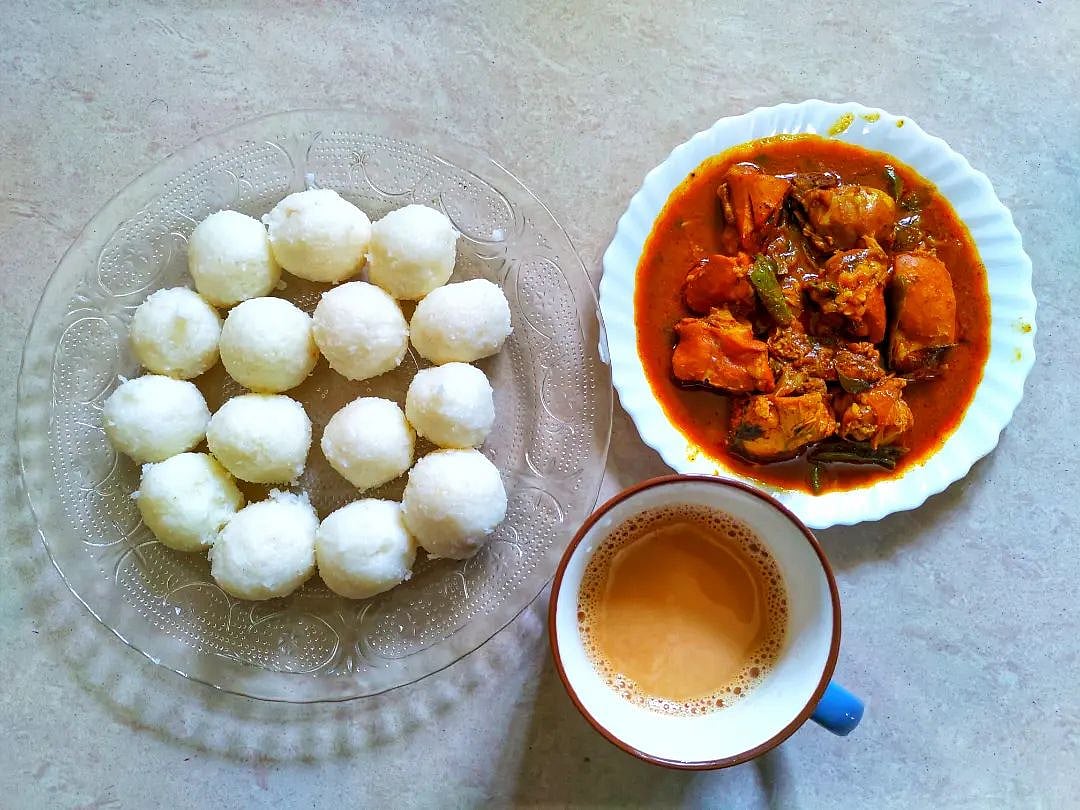
Pandi curry is the dish most people name first, and with good reason. It is the emblematic Coorg pork curry: dark, spicy, tangy, and usually slow-cooked. The version described in the research uses pork with roasted coriander, black pepper, ginger, cumin, chili, and kachampuli. That is the architecture of the dish in one sentence.
What makes it special is the interplay of contrasts. The meat is rich; the curry should not feel muddy. The spices are deep; the souring should sharpen, not shout. The result is a curry that tastes both hearty and precise.
Kadambuttu

Kadambuttu are steamed rice dumplings, one of the most recognizable Coorg staples. They exist to do a job: absorb gravy without falling apart, and bring a soft, neutral counterpoint to assertive meat curries.
That neutrality is the genius. In Coorg, starch is not filler. It’s a structural partner.
Akki roti and akki otti
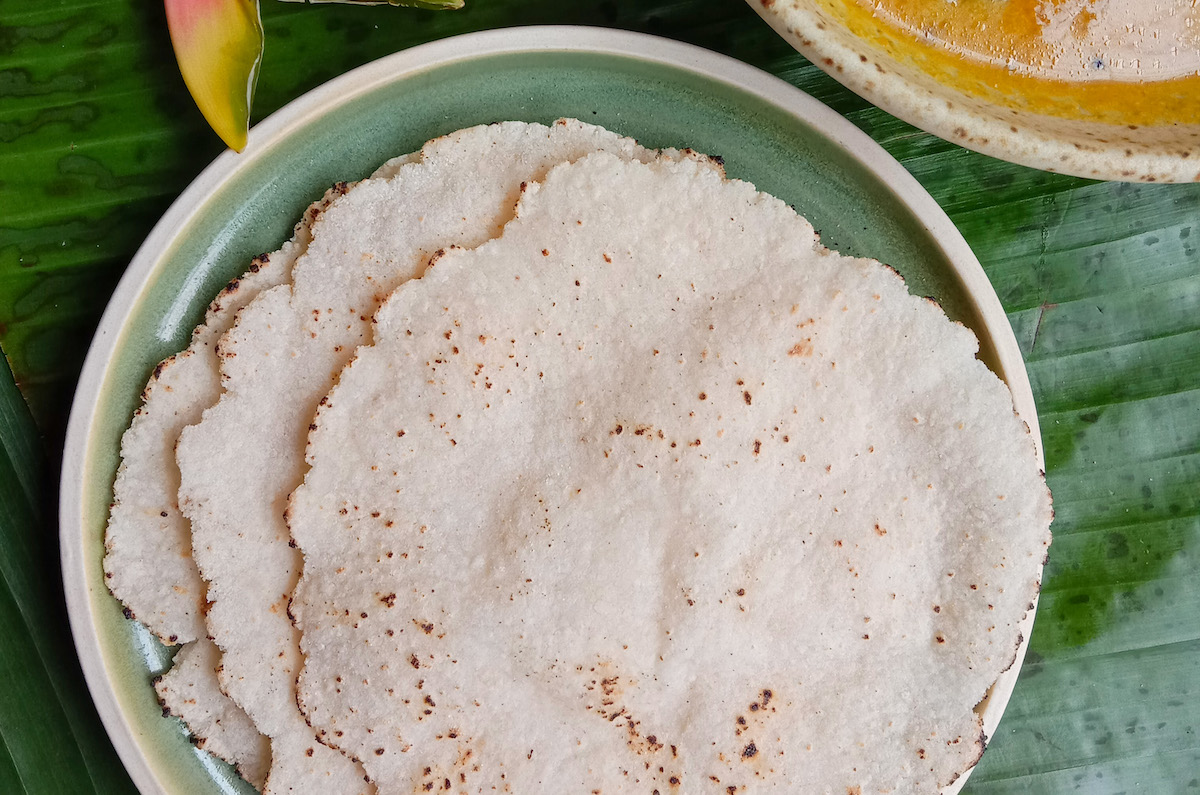
Akki roti and akki otti are rice-based flatbreads that turn up in everyday and breakfast eating. They are especially useful with tart, spicy gravies because they can mop up the sauce without overpowering it.
For travelers, this is one of the easiest ways to understand local rhythm: Coorg food often asks you to eat the curry with the starch, not separately from it.
Bamboo shoot curry
Bamboo shoot curry is one of the clearest reminders that Coorg cooking tracks seasonality. Baimbale, or tender bamboo shoots, require preparation and are associated with monsoon eating in the sources reviewed. The result is a dish that feels earthy, slightly wild, and rooted in the landscape.
Kummu curry

Kummu curry, or mushroom curry, is another seasonal favorite, especially in rainy months. Like bamboo shoot curry, it reflects the idea that Coorg cuisine is not fixed year-round. It changes with what the land gives.
Other names worth knowing
- Paputtu: a steamed rice and coconut cake.
- Neyi kool: a rice dish with ghee, raisins, and cashews, linked in one source to Malabar influence.
- Thambuttu: a banana-based sweet pudding associated with festival contexts.
- Bale muruku: banana fritters with sesame, cardamom, and jaggery.
These dishes widen the picture. Coorg is not just meat and spice. It has a quieter side too.
Monsoon menus and seasonal eating
The monsoon matters in Coorg more than a decorative travel caption would suggest. It changes what is available, what feels right to eat, and how the cuisine is experienced.
During the rains, bamboo shoots become a notable seasonal ingredient. Mushrooms follow the same pattern. The food becomes more evidently tied to the calendar. Even the perceived richness of a meal changes when the air is damp and cool.
That seasonality explains why some dishes are hard to understand as “signature” items unless you think in cycles rather than static menus. The best Coorg meals often feel like a conversation between storage and foraging, between what is preserved and what arrives fresh.
Where to taste it in Coorg
For travelers, the best Coorg meal is often not the most polished one.
1) Homestays
Homestays are where many visitors first encounter the food as locals mean it: home-cooked, flexible, and rooted in family routine. One of the recurring themes in the research is that guests are often encouraged to ask hosts for recommendations. That is good advice.
What to do: ask what is being cooked that day, especially if you want pandi curry, kadambuttu, or a seasonal bamboo shoot dish.
2) Old eateries
Older local eateries can be excellent places to try the classics without the filter of a resort menu. One article referenced an established Madikeri eatery that helped preserve traditional recipes and popularize them with both locals and visitors. That is the kind of place where the food usually speaks before the decor does.
3) Spice plantations
Coorg is also known for spice plantations, and those tours can help visitors connect the plate to the landscape. Pepper, cardamom, and vanilla are part of the plantation story, but in the context of food, the point is broader: this is a region where agriculture is not separate from cuisine.
4) What to order first
If you only have one meal:
- Pandi curry with kadambuttu
- Akki roti or akki otti with a local curry
- Bamboo shoot curry if it’s in season
- Kummu curry during monsoon months
- A sweet ending if available, especially something rice- or banana-based
If you have two meals, make the second one vegetarian-heavy just to see how wide the cuisine really is.
What to ask for like someone who knows the table
Use these questions, not as foodie theater, but to get the right dish on the table:
- Is the pandi curry made with kachampuli?
- What rice form comes with the curry: kadambuttu, akki roti, or akki otti?
- Is the bamboo shoot dish seasonal and prepared locally?
- Which spices are ground fresh for the curry?
- Is this recipe from a family home, a festival menu, or a restaurant adaptation?
Those questions help you avoid one of the biggest problems in regional food travel: getting the name of the dish without the story behind it.
Practical takeaway checklist
Before you leave Coorg, make sure you’ve done these five things:
- Tried pandi curry with a rice staple, ideally kadambuttu.
- Tasted kachampuli in a dish, not just heard about it.
- Ordered at least one seasonal dish like bamboo shoot curry or kummu curry.
- Compared a homestay meal with an old local eatery meal.
- Asked one person where their spices come from, because in Coorg the answer often explains the entire plate.
If you want the short version, Coorg cuisine is not about heat for heat’s sake. It is about sourness with backbone, spice with restraint, rice with purpose, and a food culture that still tastes like the place that made it.